
Alcohol intolerance and allergies: Symptoms & causes Allergy Insider
Dr. Adkinson recommends that people who are prone to alcohol-related allergic reactions should avoid consuming these fruits as well as Alcoholics Anonymous alcoholic beverages containing sulfites. He adds that the chances of having an adverse reaction to those foods or drinks is one out of every hundred. While the risk is low, those who experience such reactions should reduce or avoid alcohol and sulfite-containing foods altogether. Alcohol consumption can lead to a stuffy nose due to the effect it has on your body. Alcohol is metabolized by enzymes in your liver, which convert ethanol into acetaldehyde. These chemicals cause inflammation in the mucous membranes of your nose and sinuses, leading to congestion and a stuffy feeling.
The Reason Behind Sneezing After Drinking
The type of alcohol consumed does not significantly affect the occurrence of congestion. Both beer and wine have been found to trigger congestion in susceptible individuals. Just as grapes can become wine, table fruit that becomes too ripe might contain enough alcohol to cause a reaction in someone with an alcohol allergy. The ASCIA website is intended for use by ASCIA members, health professionals and the general public. The content provided is for education, communication and information purposes only and is not intended to replace or constitute medical advice or treatments. In people with hives (urticaria), alcohol can sometimes trigger symptoms or make them worse.
Can I prevent sneezing after eating?
The nickname “Asian glow” comes from the prevalence of alcohol intolerance among sneezing after alcohol East Asians. Approximately 30 to 50 percent of people in this region have an ALDH2 deficiency and are more likely to experience symptoms such as flushing. The ALDH2 deficiency that causes alcohol intolerance is a genetic mutation. It can be passed down through generations, even if it doesn’t appear to affect your parents or grandparents.
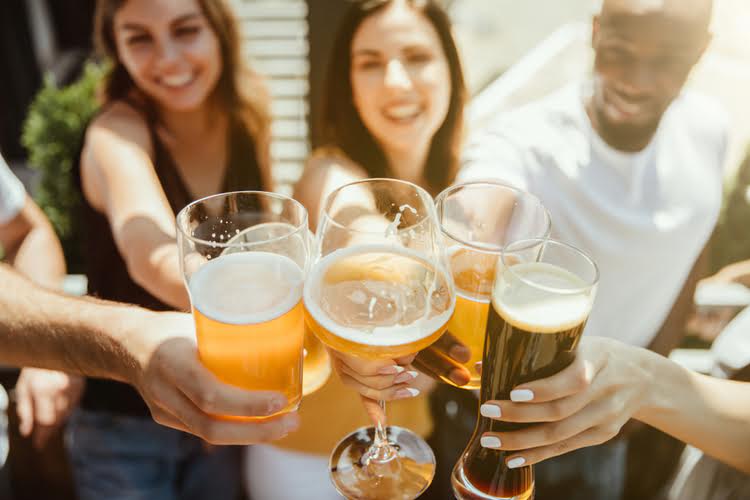
What drinks make allergies worse?
An allergist specialist can offer this type of help after performing appropriate tests and determining exactly what the allergy is. Track allergy symptoms and prepare for a visit with a healthcare provider. Your body primarily breaks down alcohol in two steps, each dependent on a separate enzyme. Genetic variations in these enzymes influence how your body metabolizes alcohol and related symptoms you might experience. People of Chinese, Japanese and/or Korean descent often have a variant of one or both enzymes that leads to an impaired ability to metabolize alcohol. Prescription nasal antihistamines can help relieve sneezing, postnasal drip, and congestion.
If you are one of many people who gets wine or beer “sneezes”, here are some of the reasons why…
Signs of an alcohol allergy include skin reactions like hives, difficulty breathing, swelling, nausea, or rapid heartbeat shortly after drinking. If you suspect an allergy, it’s best to consult a healthcare provider for proper diagnosis, which may involve allergy testing and reviewing your medical history. Firstly, alcohol can cause the blood vessels in your nasal passages to dilate, leading to increased blood flow and congestion. Additionally, alcohol can trigger an inflammatory response in the nasal lining, resulting in swelling and congestion.
- It’s normal to get sick or experience unpleasant symptoms after drinking too much alcohol.
- Staying hydrated and choosing lower-congener alcoholic beverages may also help reduce symptoms.
- On this plan, you’ll cut a specific food out of your diet to see if your symptoms get better.
- Few things can be more frustrating than enjoying a drink with friends only to be interrupted by incessant sneezing.
- It is important to note that not all allergic reactions to red wine are caused by histamine.
One study suggests that sulfite sensitivity may affect up to 10% of people with asthma. Alcoholic drinks trigger https://trisula888slot.net/facts-about-u-s-deaths-from-excessive-alcohol-use/ asthma symptoms or exacerbate pre-existing asthma. More than 40% of individuals with asthma reported symptoms induced by alcohol, with 30-35% suffering exacerbated asthma.
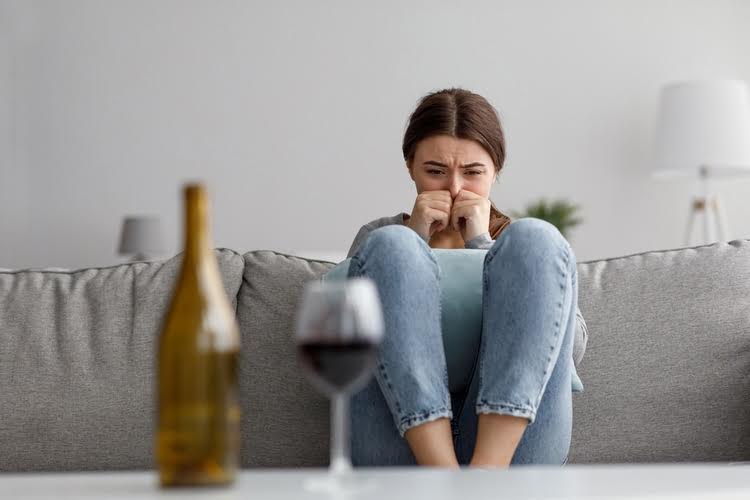
Unlike a true allergic response involving the immune system, alcohol intolerance results from the body’s metabolic limitations and typically occurs every time alcohol is consumed. This can occur due to changes in enzyme production, such as reduced levels of aldehyde dehydrogenase, or due to other health conditions like liver disease or medication side effects. Intolerance is different from an allergy and usually involves symptoms like flushing, nausea, or headache.
And if cocktails make you sneeze, try making your own with fresh fruit juices instead of pre-made mixes. Drinking plenty of water, limiting and slowing down alcohol consumption, and eating before drinking can help to reduce the vasodilation effects of alcohol. Tannins are natural compounds found in many plants, including the skins, seeds, and stems of grapes. These are what give wine its bitterness, mouthfeel, and complex flavours, as they seep into the wine during the winemaking process. Tannins are more abundant in red wines but can also be present in white wines too. We all know wine comes with its fair share of effects, some desirable and others less so!